
Family Kite Flying Checklist: What to Pack for a UK Beach or Park
The best kite afternoons are the ones where nobody has to trudge back to the car. A family session can unravel in ten minutes — a tail that won't clip on, a child with numb hands, a line snagged on a fence — and every one of those problems is solved before you leave the house. Two things decide the rest of the day: how hard the wind is blowing, and where you are standing.
Read the wind before you read anything else
Most beginner kites fly happily between about 5 and 15 mph. Push towards 20 mph and a small child stops being in control of the kite and starts being towed by it. Below 5 mph, most kites sulk; if the forecast is flat, take a light-wind kite or accept that the day is really about sandcastles.
The Beaufort scale is a useful field guide and needs no app. Leaves rustling and a flag just lifting is roughly Force 2, around 4–7 mph — fine for light kites. Leaves and small twigs in constant motion is Force 3, around 8–12 mph, close to perfect. Whole trees swaying and walking into the wind becoming a job is Force 5 territory, and time to pack up.
Check the gusts, not just the average. A 12 mph average with 25 mph gusts will throw a kite around and can snap spars. Direction matters too: on a beach, an onshore wind pushes the kite inland where you can reach it. An offshore wind is a kite-delivery service to the horizon.
Pick the site before you promise the children anything
Space, soft ground and nothing overhead. Run through this before you unpack:
- No power lines, phone lines or cables of any kind. If in doubt, move on.
- Well away from roads, car parks, railway lines and airfields.
- Clear of other people, dogs, livestock and picnics, with room for the kite to land without hitting anyone.
- No trees within striking distance. Trees eat kites.
On the beach
Check the tide times and which way the wind is blowing. Damp sand near the waterline is the best launch surface there is. Dry, loose sand blows into eyes and grinds its way into reels, so keep the bag zipped and don't let a spool sit on the surface. Some councils and landowners restrict kite flying on busy beaches in summer — read the signs at the entrance, and check local byelaws if it isn't clear.
In the park
Grass is kinder to kites than sand and much kinder to knees. Aim for a sports field or a wide common rather than a spot beside a playground, and avoid nature reserves and golf courses. If a site says no kite flying, there is usually a good reason.
The kite bag: essentials and the bits people forget
A dedicated bag saves arguments. It lives by the door, gets topped up after every session, and nobody has to hunt for a tail clip on a Sunday morning.
- Two kites, if you have them. A light-wind kite and a sturdier one cover far more days than a single kite ever will.
- Spare line on a winder, plus handles or a reel.
- Spare spars — one rod in the right diameter is often enough.
- Repair tape for torn sail fabric, and a roll of strong tape for splints.
- A swivel and a couple of tails, which add stability in gusty air.
- Gloves. Thin leather gardening gloves are ideal; flying line can cut skin when it runs.
- Scissors or nippers, kept in a pocket rather than buried in the bag.
- A ground stake for holding a kite while you sort out a tangle.
Dress for the wind, not for the temperature
A beach in July with a 15 mph breeze feels nothing like the same day inland. Wind chill is why children give up on kite flying: cold hands and a cold neck end sessions long before boredom does.
Layers beat one thick coat. Base layer, fleece, windproof shell you can peel off on the walk back. Hats need to stay on, so pick one with a chin strap or a cap that adjusts, and pack gloves even in summer. Wellies or old trainers for wet sand, plus spare socks and a full change of clothes for anyone under ten. A bin bag for wet kit stops the car smelling of the sea for a fortnight.
Sun, salt and skin
UV on the coast is stronger than most people expect, and it gets through cloud. Broad-spectrum sun cream of at least SPF 30, applied before you leave and topped up through the day, is the simple answer. Lips burn too, so a stick with SPF in it earns its place. Sunglasses should carry a UV400 label — novelty ones often don't, and a child staring up at a kite is looking straight at the sky.
Take more water than you think you need. If you have a baby, or anyone with a skin condition or a reaction to sun cream, ask a pharmacist for advice before the trip rather than guessing on the sand.
Field checks and quick fixes
Two minutes of checking before launch prevents most of the drama.
- Untangle the bridle and lay the kite out pointing into the wind.
- Check every spar is fully seated and the sail isn't snagged.
- Run the line through your fingers and look for fraying, nicks or knots. Retie if you find any.
- Check the line is attached with a secure larks head or clip, and that nothing is looped around a hand or wrist.
- Clear the launch area, then walk the kite up rather than launching from a standstill.
Never wrap flying line around your hand, wrist or waist. If a kite comes down on power lines, let go, keep everyone clear, and contact the electricity network operator. Never pull the line.
A snapped line is a five-minute retie. A cracked spar can be splinted with a short length of spare rod taped alongside it, good enough to finish the afternoon. Line burns should be cooled and covered; if it's more than a small red mark, or the skin blisters, speak to a pharmacist.
Before you leave the house
Run this once, out loud, and the rest of the trip is easy.
- Forecast checked, including gusts and wind direction.
- Site chosen, with a backup in mind.
- Kite bag filled: kites, line, spares, tape, gloves, stake.
- Layers, hats, spare socks, a change of clothes.
- Water, snacks, sun cream, sunglasses.
- Phone charged, and someone at home knows where you've gone.
Then the best part: stake the kite, hand the line to the youngest person there, and let them feel the pull. That first tug, followed by a kite that actually climbs, is what they'll remember. Everything above just makes sure it happens.
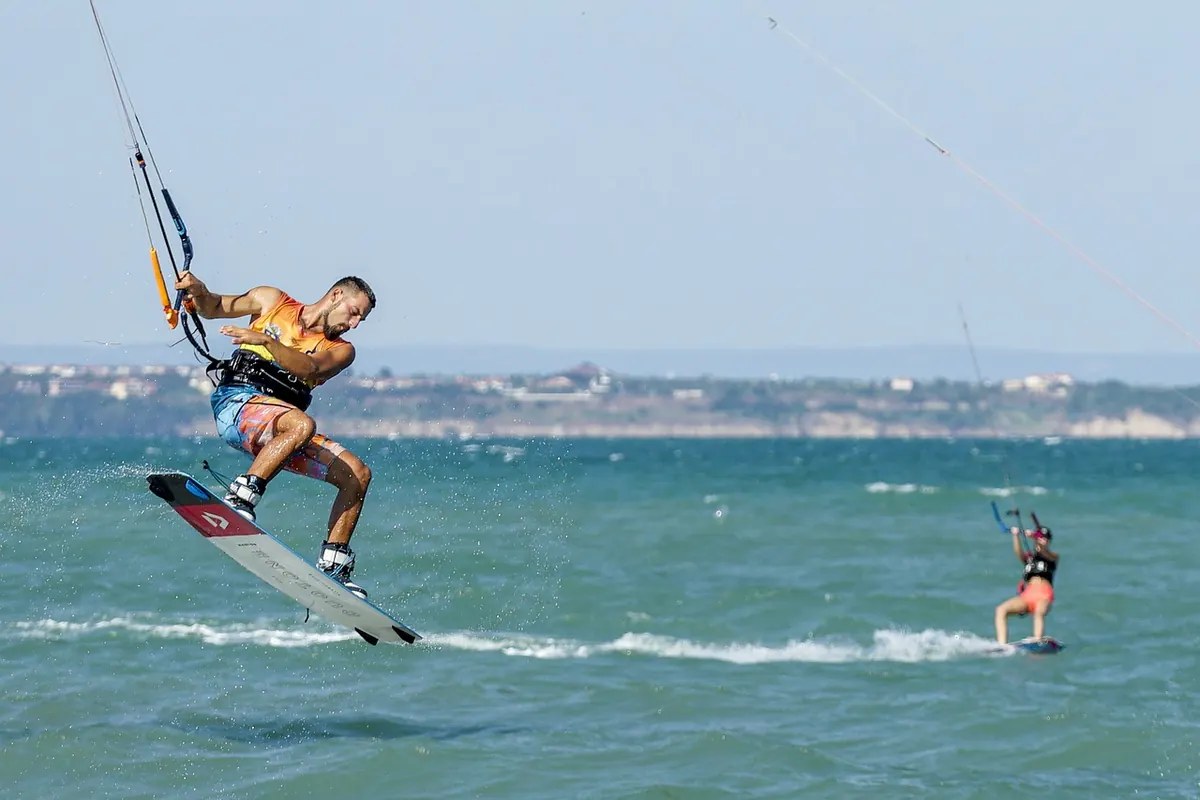
Photo: Anestiev / Pixabay