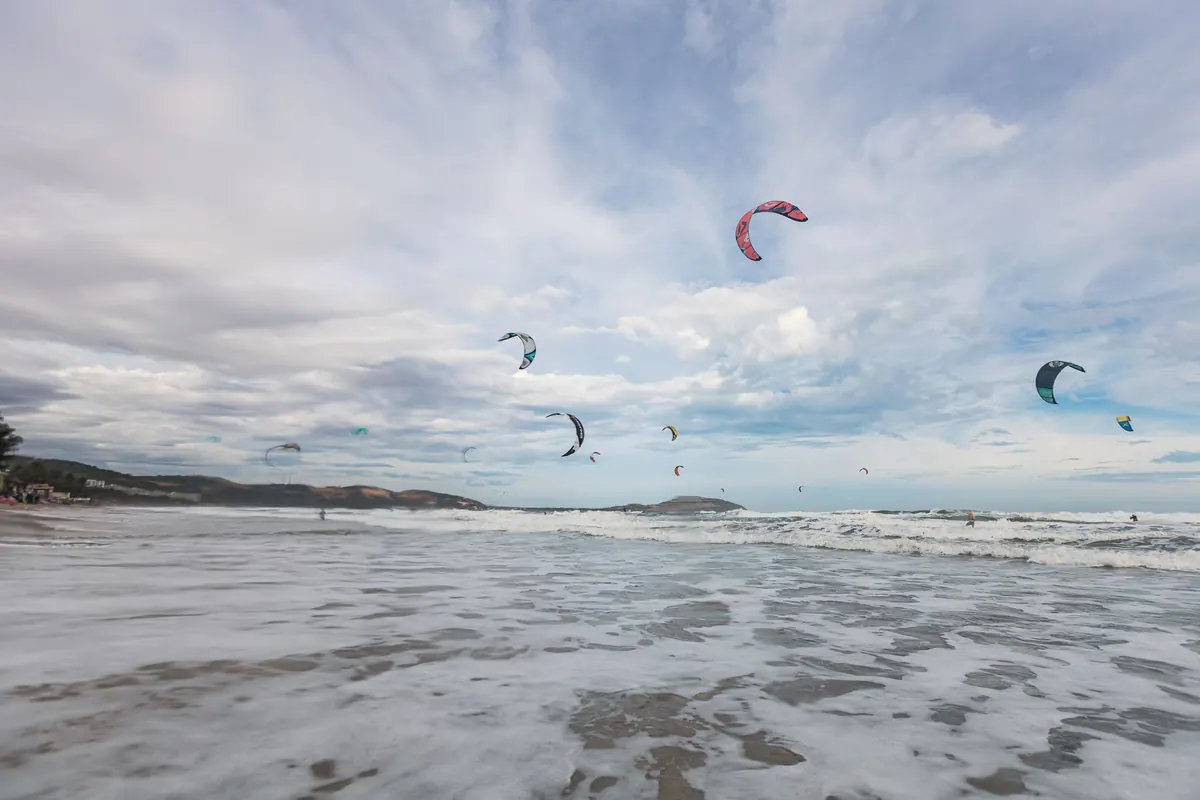

How New UK Offshore Wind Farms Could Affect Kiteboarding Zones
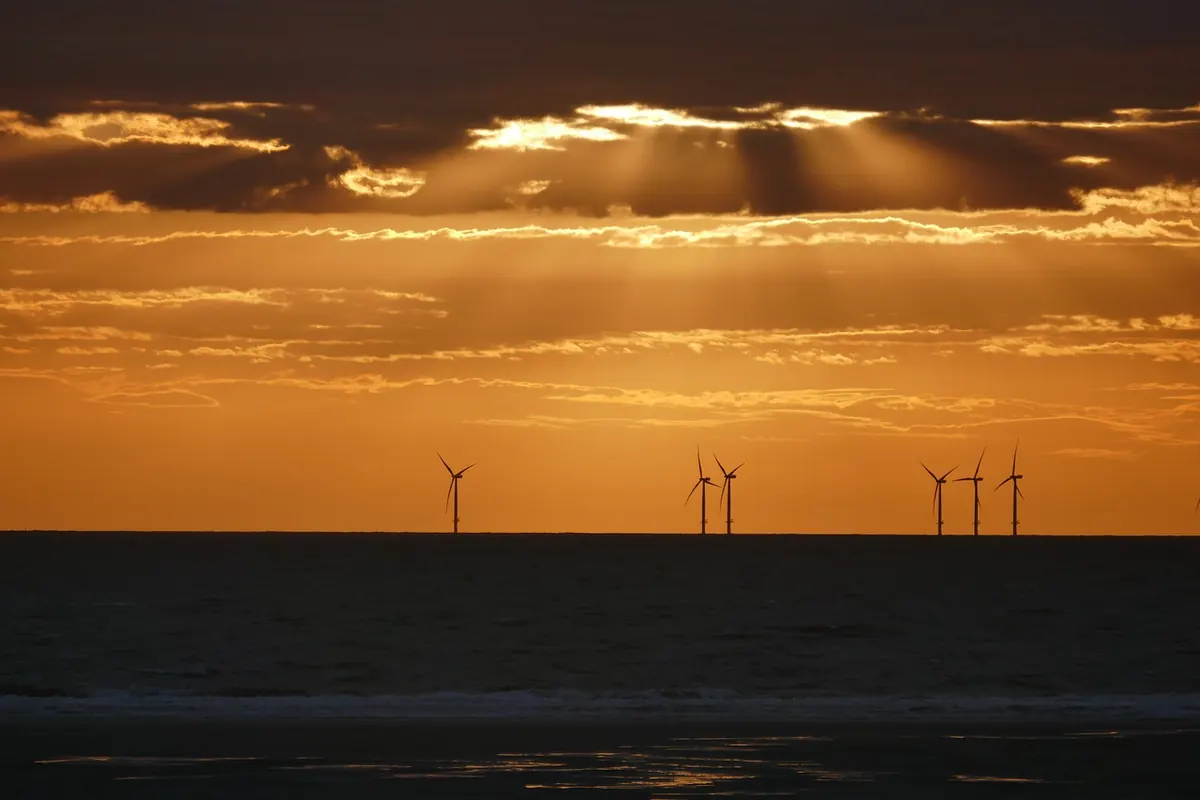
The UK’s offshore wind fleet continues to expand, and that means more turbines, more vessel traffic and occasionally new rules on the water. For kiteboarders, the changes can feel distant one week and very close the next—especially if a cable comes ashore at your local beach or a new array sits upwind of your favourite bay. Some effects are obvious, like temporary closures. Others are subtler: a shift in wind quality, extra rescue considerations, or a different mix of wildlife. None of it has to end your sessions, but it does reward a bit more planning.
What is actually being built
An offshore wind farm is not just a line of turbines. It includes foundations, offshore substations, export cables, onshore converter stations and access roads. Construction happens in stages: survey work, cable laying, foundation installation, turbine installation and commissioning. Each stage brings different vessels and different temporary restrictions. Once a farm is operational, the permanent footprint is smaller, but safety zones around turbines and substations usually remain.
Extensions and new arrays are often planned near existing ones. That can mean a much larger area of sea is affected by construction at any one time. For kiteboarders, the key point is that the sea is not empty. It is a working environment, and it changes month by month.
Access and launch points
Access is the most immediate concern. Kiteboarding depends on parking, a safe launch and a clear stretch of water. The turbines themselves are usually too far offshore to affect a beach launch directly, but the onshore infrastructure can. Cable landfalls can close sections of beach during construction. New substations, access tracks and fencing can change where you park or walk. In some cases, developers fund alternative access or a new path. In others, a temporary closure becomes permanent.
Check local council and harbour authority notices before you travel. If a beach is closed, do not duck under tape or move cones. It sounds obvious, but it happens. If you are unsure who manages a slipway or car park, ask a local kite school or club. They usually know which routes are still open and which are not.
Safety zones, traffic and rescue
Safety zones are the main legal and practical boundary. They are marked on Admiralty charts and in Notices to Mariners, and they can extend several hundred metres around turbines and substations. During construction, zones may be larger and enforced by guard vessels. Entering a safety zone can put you in the way of heavy machinery, and it may be an offence. More importantly, it can trigger a costly emergency response.
Vessel traffic increases during construction and maintenance. Crew transfer vessels, jack-up barges, cable layers and survey boats all use the area. Kiteboarders are small and low to the water, so make yourself visible and keep well clear. If you get into trouble near a wind farm, the coastguard may need to contact the wind farm’s control room. That takes time. Carry a phone in a waterproof pouch, a VHF if you have one, and tell someone your plans.
Wind, waves and local conditions
Turbines extract energy from the wind, so downwind of a large array there can be a wake with slightly lower wind speeds and more turbulent flow. The effect is usually local and varies with wind direction, wind speed and array layout. For kiteboarders, this might show up as patchy gusts, sudden lulls, or a shifted wind angle near the farm. It is not a reason to avoid the area altogether, but it is a reason to rig a size smaller if you are riding close and the wind is marginal.
Wave and current patterns can also change around foundations and cable protection. In most UK spots, these changes are small compared with normal tidal and weather variation. But near a cable landfall or a large foundation, you may find rips, eddies or choppier water. Treat those areas with the same caution as any other structure. If the wind is offshore and the water looks strange, sail within your limits and stay upwind of anything you would not want to hit.
Environmental changes: what might improve, what might not
Offshore wind farms can create artificial reef habitat. Foundations and scour protection attract fish and shellfish, and because many areas are closed to some fishing, stocks can benefit. That can bring more seals, dolphins and seabirds. For kiteboarders, that is mostly a good thing—but it also means sharing the water with more wildlife. Keep your distance, especially from seals and birds resting on the surface.
On the other side, construction can disturb seabed habitats and increase noise. Sediment plumes can affect water clarity. These effects are usually temporary and monitored. The bigger question for kiters is whether a development changes the beach itself. Coastal processes are complex; a wind farm far offshore is unlikely to change your local sandbar overnight, but cable landfalls and onshore works can. If you notice a new rip or a changed shoreline near a landfall, mention it to your club and the harbour authority.
How to have a say
Developers are required to consult on marine licences and planning applications. Fisheries liaison groups and community liaison officers are common. Kiteboarders are sometimes overlooked because they are not a commercial fishery, but local clubs can change that. If a new array or cable route is proposed near your spot, ask your club to respond. Point out the launch, the parking, the safety implications and any seasonal events. Specific, local evidence is more useful than general objection.
Attend harbour authority meetings. Read the Marine Management Organisation consultation pages. In Scotland, check Marine Scotland and Crown Estate Scotland. In Wales, check Natural Resources Wales. It is not exciting, but a short, clear response can shape conditions. Ask for clear signage, maintained access and a named contact for recreational users. Those small requests are hard to argue with.
A practical pre-session check
Before you travel to a spot near a wind farm or cable landfall, run through this list:
- Check Notices to Mariners, harbour authority notices and local council beach notices for closures or safety zones.
- Look at the wind farm layout on a marine chart or app. Note turbine positions, substations and cable corridors.
- Ask a local kite school, club or harbourmaster what has changed recently. They often know about new markers, guard vessels or access issues.
- Watch the forecast for wind direction. If it blows across a large array towards your spot, expect patchier conditions and rig accordingly.
- Carry a waterproof phone or VHF, use a buddy system, and tell someone where you are going.
- Keep well clear of working vessels and safety zones. If in doubt, stay out.
- Report any access problems or near misses to your club and the relevant harbour authority. That feedback helps protect the spot for everyone.
Offshore wind is not going away. With a little homework, kiteboarders can keep riding safely, respect the new infrastructure and have a voice in how it fits around our coast. For anything involving navigation law, marine licences or local bylaws, check the official sources or take advice from the relevant authority.
Photo: MxKa / Pixabay