UK Kite Festivals and Kiteboarding Events: Summer 2026 Calendar Preview
Summer 2026 might still feel like a dot on the horizon, but the UK kite calendar rewards early planners. Coastal accommodation fills quickly, competition entries open months ahead, and the best festival weekends are often the ones you booked before the first decent spring breeze arrived. Dates for many events are confirmed in spring, so treat the windows below as a planning guide rather than gospel. Here’s the likely shape of the season, from giant display kites over Southsea Common to heat sheets on a breezy Welsh beach.
The shape of the summer season
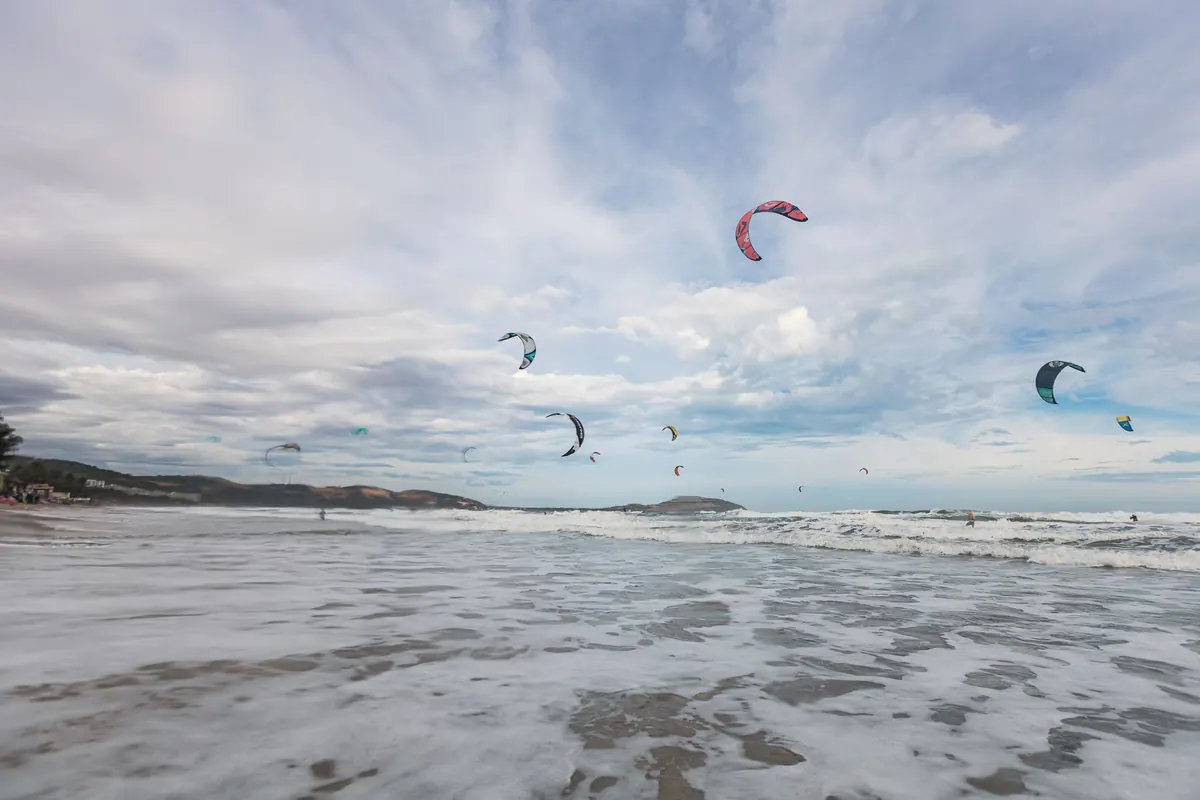
The UK kite season generally runs from May to September, with the busiest stretch from late June to early September. Wind is never guaranteed, but the west coast — Wales, Cornwall, Devon, Cumbria and western Scotland — tends to see more frontal wind, while east coast spots such as Camber Sands and Great Yarmouth often rely on thermal sea breezes. Festivals are usually staged on large parks, commons or beaches where there is room for display lines and spectators. Competitions are more mobile: organisers watch forecasts and may run early mornings or late afternoons to catch the best wind.
If you’re travelling, build a buffer around your target weekend. A Saturday-to-Monday stay gives you a spare day if the wind shifts or a heat is postponed. It also lets you enjoy the festival side of an event even if the competition is on hold.
Kite festivals: colour, family and light-wind fun
Kite festivals are the friendly face of the UK kite scene. They suit families, photographers and anyone who likes the idea of a picnic with a side of aerobatics. Expect giant inflatable kites, sport kite teams, arena commentary and have-a-go sessions. The following events are annual fixtures; confirm exact 2026 dates with organisers before booking.
Portsmouth International Kite Festival
Usually held in August on Southsea Common, this is one of the biggest dates in the UK kite calendar. The seafront location gives steady breeze and plenty of space. Expect international display teams, giant character kites and a busy promenade. Arrive early for parking, or use public transport if you can.
St Annes Kite Festival
Lytham St Annes beach hosts a popular festival, often in August or early September. The wide sand and flat horizon make it good for photography and for beginners watching how lines are handled. When the tide is out, the beach becomes a natural arena; when it’s in, the event may move to the promenade. Check tide times alongside the event schedule.
Weymouth Kite Festival
Weymouth Beach typically welcomes kite flyers in late spring or early summer. The curved bay offers shelter in some wind directions, and the town makes a practical base for a weekend. This is a good festival for combining kite watching with a family trip.
Bristol and inland festivals
Inland events such as Bristol International Kite Festival and Dunstable Downs Kite Festival show that you don’t need a coastline. Hills and open downs can create tricky, shifting wind, so display pilots often use lighter line and smaller kites. For spectators, these events are often easier to reach by train or car and can be a gentler introduction to the hobby.
- Arena displays at set times, with gaps for setup
- Have-a-go zones for children and beginners
- Traders selling lines, tails, spars and snacks
- Busy car parks and limited shade
- Dogs may be restricted near display areas — check local rules
Kiteboarding competitions: tour stops and titles
The competitive side of UK kiteboarding usually centres on the British Kitesurfing Association (BKSA) national tour, with disciplines such as freestyle, wave, kitefoil and occasionally course racing. Stops have visited venues including Camber Sands, Hayling Island, Rhosneigr and other coastal spots in recent seasons, and a similar mix is expected for 2026. Dates are typically spread from May to September.
Expect riders’ briefings, heat schedules and a strong emphasis on safety. If you’re competing, you’ll need the right membership and insurance, and you should read the notice of race carefully. If you’re watching, keep well clear of launch and landing zones. Kite lines are invisible under tension and riders cannot always see behind them.
What the formats look like
- Freestyle: short heats, tricks scored on execution, variety and height.
- Wave: riders surf waves and use the kite to travel, scored on wave riding and turns.
- Kitefoil: light-wind racing or freestyle on hydrofoils, often fast and tactical.
- Expression sessions: sometimes run when conditions are marginal, giving riders a chance to show style.
Competition schedules are weather-dependent. A no-wind day may become a social day, with demos, repair workshops or beach games. That’s part of the appeal: you meet people, learn from their setups and get a feel for the community.
Community meet-ups and grassroots sessions
Between the big festivals and tour stops, the UK scene runs on local meet-ups. Kite schools, clubs and informal groups organise downwinders, dawn patrols, beach cleans and beginner buddy days. These are often announced on social media or in shop noticeboards a week or two ahead. If you’re new to an area, ask at a local kite shop or school; they usually know which beach works in which wind direction.
Typical summer meet-ups include:
- Dawn patrols before work, often at east coast spots when the sea breeze is due later.Photo: PavanPrasad_IND / Pixabay