


Kiteboarding in the UK: A Complete Beginner's Guide to Your First Season
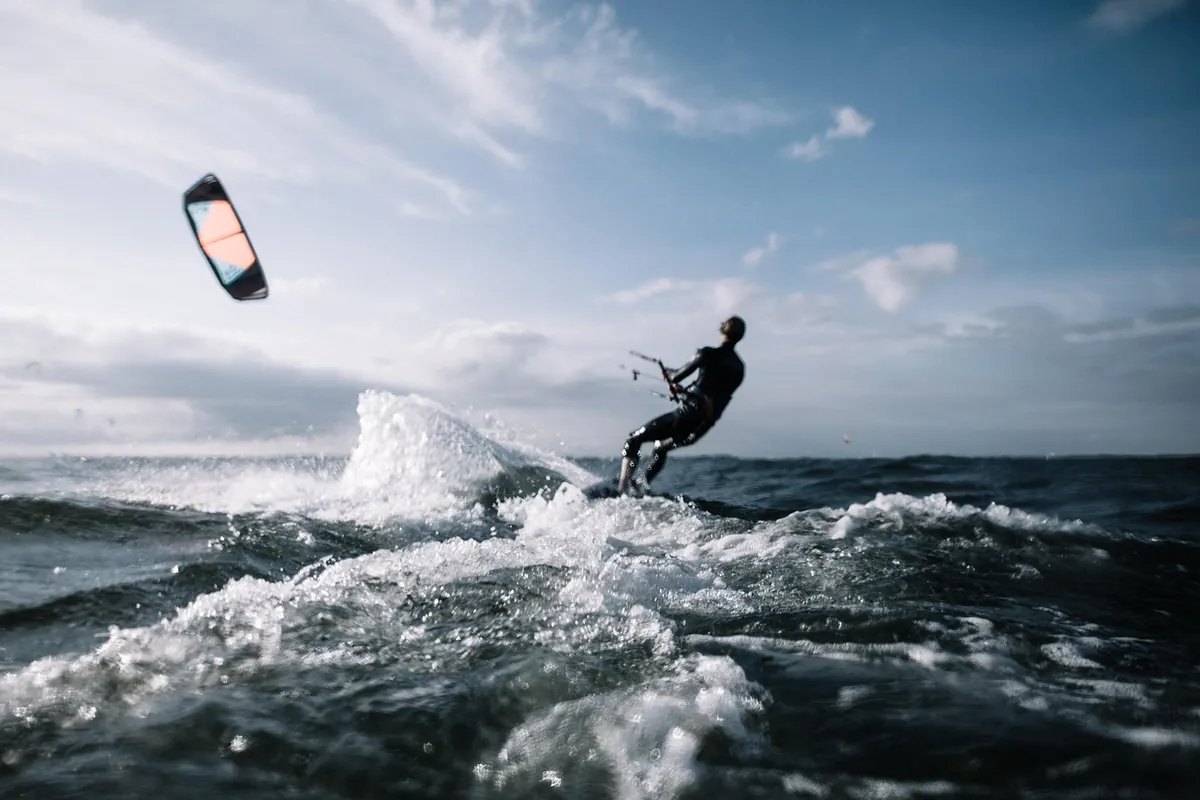
Kiteboarding looks like freedom on demand: a small kite, a big sky, and a board skimming across the water with almost no wake. The reality for most beginners is less glamorous. There is a lot of time in shallow water, a few mouthfuls of seawater, and a firm lesson in the fact that the wind runs the show. The good news is that the UK is a genuinely good place to learn, with reliable winds, long sandy beaches and a well-established coaching scene. Here is a practical roadmap for your first season, from your first lesson to your first proper session on your own.
Book Lessons Before You Buy Anything
Almost every beginner who gives up early makes the same mistake: buying kit first. A kite is not a pushbike. It generates serious force, and it behaves very differently in 12 knots and 20 knots, onshore and offshore. You need someone to show you how to rig it, how the safety systems work, how to launch and land with a partner, and what to do when it goes wrong. That is what a course is for.
Look for a school teaching to BKSA or IKO standards, and be honest about your goals. Two or three days of instruction will usually cover kite setup, safety and self-rescue, body dragging, and your first attempts at getting on the board. After that, most people need several more supervised sessions before they ride consistently. It is completely normal for the water start to take a while.
Pick a school with forgiving water: a lagoon, an estuary, or a gently shelving beach. Ask how many students there are per instructor, and whether they run follow-up sessions once your course finishes. Those two questions tell you more than any glossy website.
What Actually Goes Into a First Kit
Once you have a few lessons behind you, you will know far more about what suits you. A sensible first setup tends to look like this:
- One kite of roughly 9–12 square metres, depending on your weight and the wind where you ride
- A twin-tip board around 138–145cm long; bigger and more forgiving beats small and fast
- A waist or seat harness that fits snugly and does not ride up your back
- A UK-appropriate wetsuit: 5/4mm with boots, gloves and a hood for cold months, plus a lighter summer suit
- A helmet, and an impact vest if you want extra confidence while learning
- A bar and lines matched to the kite, with a quick release you have tested yourself
Second-hand gear is the sensible route for most people, but check it properly. Look at canopy fabric, valves, bladders, line wear, and the condition of the chicken loop and release. If you are unsure, take someone experienced along, or buy from a shop that services what it sells. Resist the urge to buy three kites at once. One kite, a board and a decent wetsuit will cover an entire first season.
Reading UK Wind and Tide
UK wind is rarely tidy. It arrives in gusts, shifts thirty degrees without warning, and can be considerably stronger at one end of the beach. Aim for 12 to 20 knots as a beginner: enough to get going, not so much that you are simply hanging on. Sideshore or slightly onshore wind is ideal. Offshore wind is genuinely dangerous, because it pushes you out to sea and makes it hard for anyone to reach you. If the wind is blowing straight off the land, do not launch.
Tide matters just as much. Many beaches work best at mid to high tide, when there is water over the sandbanks; others are suited to shallow lagoons at low water. Spring tides move more water faster, which means stronger currents and deeper channels. Check a tide table, watch where local riders launch, and ask what the spot does on a big tide before you commit.
Forecasts are a starting point, not a promise
Compare two or three forecasts before driving anywhere. Look at the gust figure, not just the average, and check the direction against a map of the spot. A beach that is perfect in a south-westerly can be a washing machine in a northerly. Keep a note of what actually happened each time you go out; after a season you will trust your own log more than any app.
A Realistic Timeline for Your First Season
- Late spring: book your course. Learn rigging, safety systems, kite control and self-rescue.
- Early summer: practise body dragging and kite handling, and buy your own wetsuit, boots and helmet.
- Midsummer: first water starts and short rides across the wind. Celebrate every one.
- Late summer: work on staying upwind. This is the milestone that changes everything, and it can take weeks.
- Autumn: transitions, riding toeside, and small controlled jumps if you feel ready. Add a second kite or a smaller board only now.
Some people tick all of this off in three months. Others spend a whole season learning to go upwind and are better riders for it. Progress in kiteboarding is not linear, and a run of light-wind weekends is normal.
Safety, Etiquette and Looking After Yourself
Learn the right-of-way rules properly at your school and stick to them: give space, do not launch or land where people are swimming, and keep clear of anyone downwind of you. As a beginner, go out with others, tell someone where you are and when you expect to be back, and never use a board leash. If you feel the kite overpowering you, let go of the bar and use your release; that is what it is for.
UK water is cold for most of the year. Dress for the temperature, not the sunshine, and come in before you are shivering. If you have a heart or respiratory condition, a recent injury, or any doubt about your fitness for a demanding sport, speak to a doctor before you start. Many spots and clubs ask for third-party liability cover, so check what your school recommends before you ride independently. On kit, take the same approach as any expensive hobby: buy used, buy slowly, and spend your money on lessons first.
Your Next Three Steps
Book a lesson at a shallow-water spot before you look at a single kite for sale. Buy your personal kit next: wetsuit, boots, gloves, helmet, harness — the things that must fit you and you alone. Then start a simple log with the date, spot, wind speed, direction, kite size and one thing you learned. It keeps you honest, shows how far you have come, and stops you repeating the same mistake twice.
The first season is about competence, not style. Get safe, get upwind, and the fun takes care of itself.
Photo: Pexels / Pixabay